GAIMF Tracks
The Global Arts in Medicine Fellowship Tracks offer Fellows three powerful pathways for professional growth, leadership development, and global impact. Each track provides a structured yet flexible learning experience that deepens expertise across the creative health ecosystem.
1. Civic & Creative Engagement Track
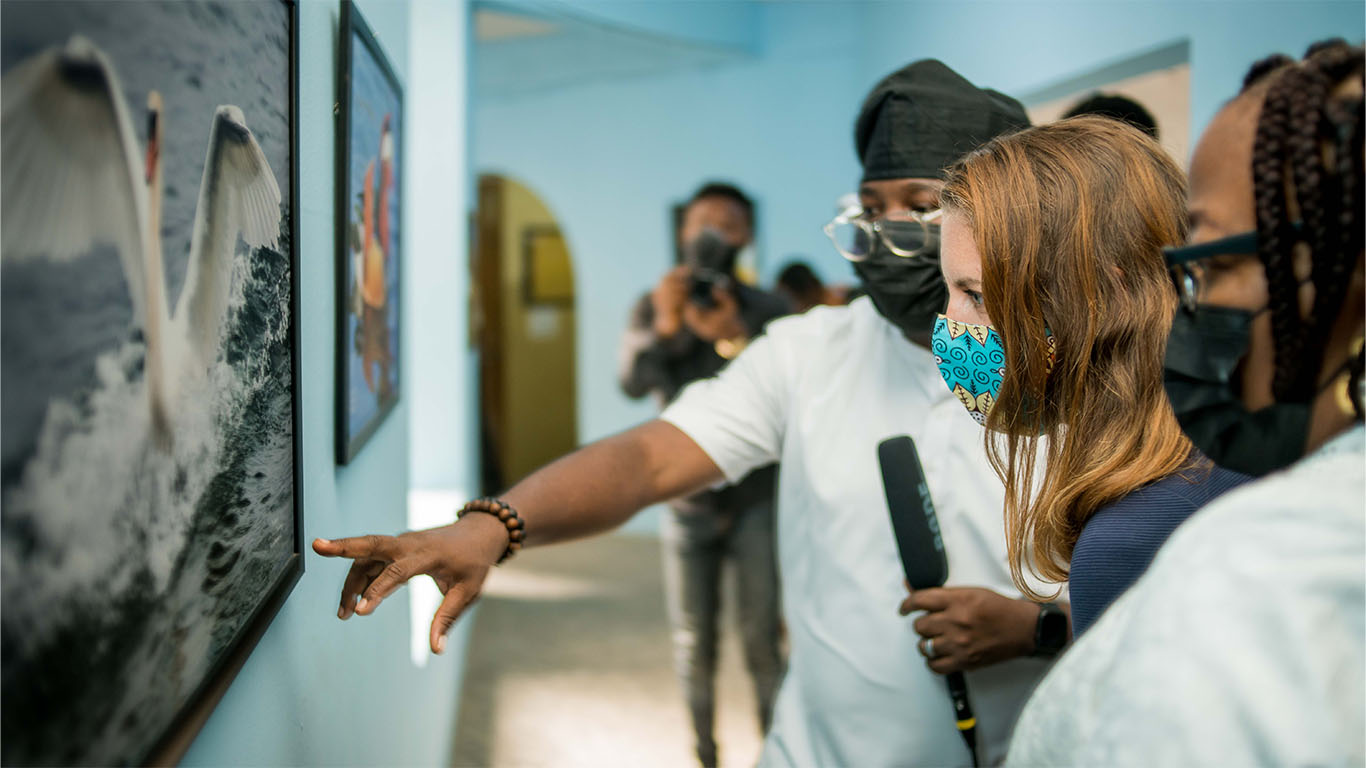
The Civic & Creative Engagement Track immerses Fellows in the diverse creative practices, innovations, and community‑driven strategies that shape arts‑in‑health engagement across cultures and disciplines. Fellows explore how artistic interventions influence health policy, advocacy, activism, and social change, drawing on case studies from hospitals, hospices, community settings, and other environments where healing and transformation occur. This track strengthens capacity in community mobilisation, volunteerism, and equitable arts‑in‑health programming, empowering Fellows to design initiatives that respond to local needs and global challenges. Through peer‑to‑peer mentorship, interdisciplinary collaboration, and intergenerational learning, participants engage in respectful, participatory knowledge exchange. The Fellowship recognises individual strengths and creates space for Fellow‑led sessions, ensuring a dynamic, inclusive learning environment. By the end of the track, Fellows are equipped to lead impactful creative health projects that advance justice, wellbeing, and community resilience.
2. Research & Education Track
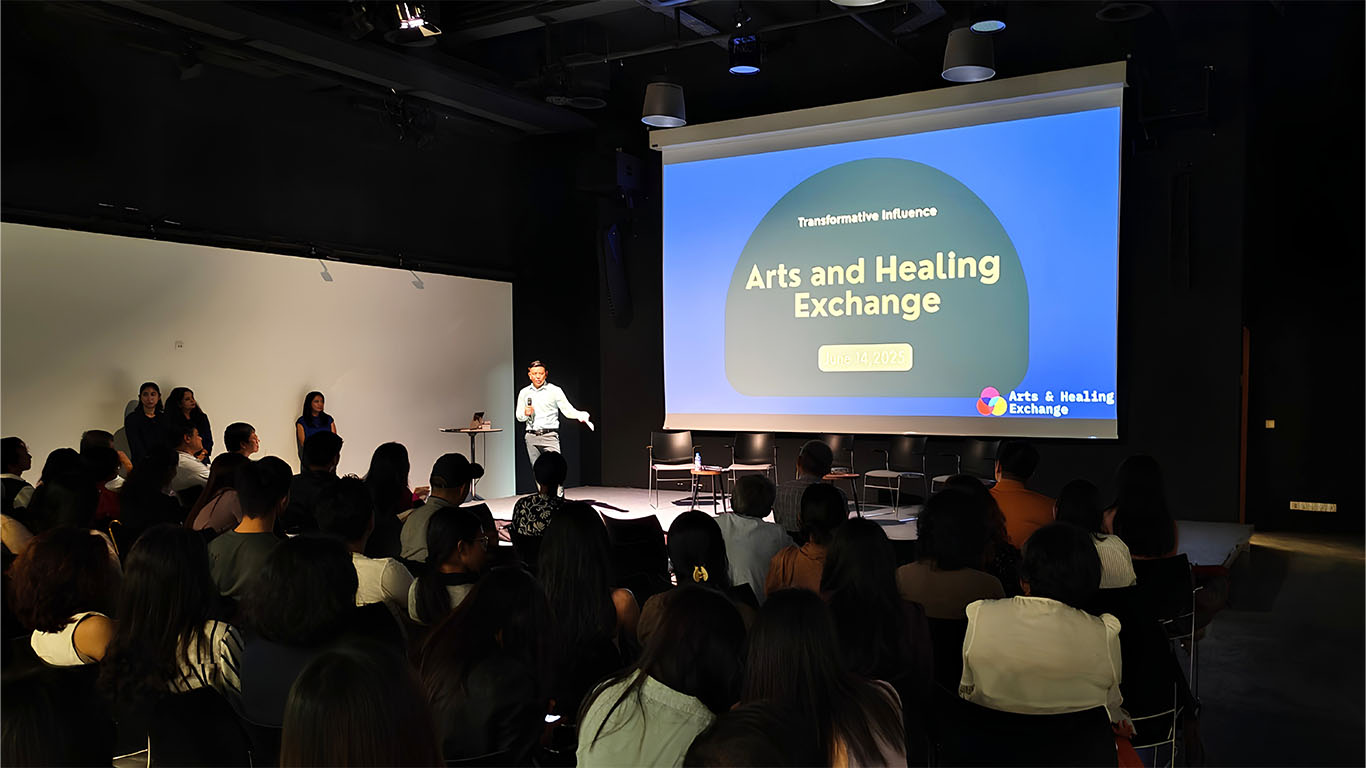
The Research & Education Track provides Fellows with evidence‑based knowledge and hands‑on experience in the use of arts in public health, clinical care, and community wellbeing. Through case studies from diverse global interventions, Fellows examine the effectiveness of creative practices in improving health outcomes and strengthening community resilience. The track introduces research development methodologies, ethical considerations, and evaluation tools that support rigorous, culturally responsive inquiry. Fellows gain access to research and innovation labs, collaborative projects, academic resources, and opportunities for conference presentations and journal publications. Peer‑to‑peer mentorship fosters mutual learning between emerging professionals and experts, while Fellow‑led engagements encourage leadership and independent exploration. By the end of the programme, participants are equipped to design, evaluate, and communicate arts‑in‑health research, contributing to global knowledge and advancing the field through scholarship, education, and evidence‑driven practice.
3. Entrepreneurship & Leadership Track
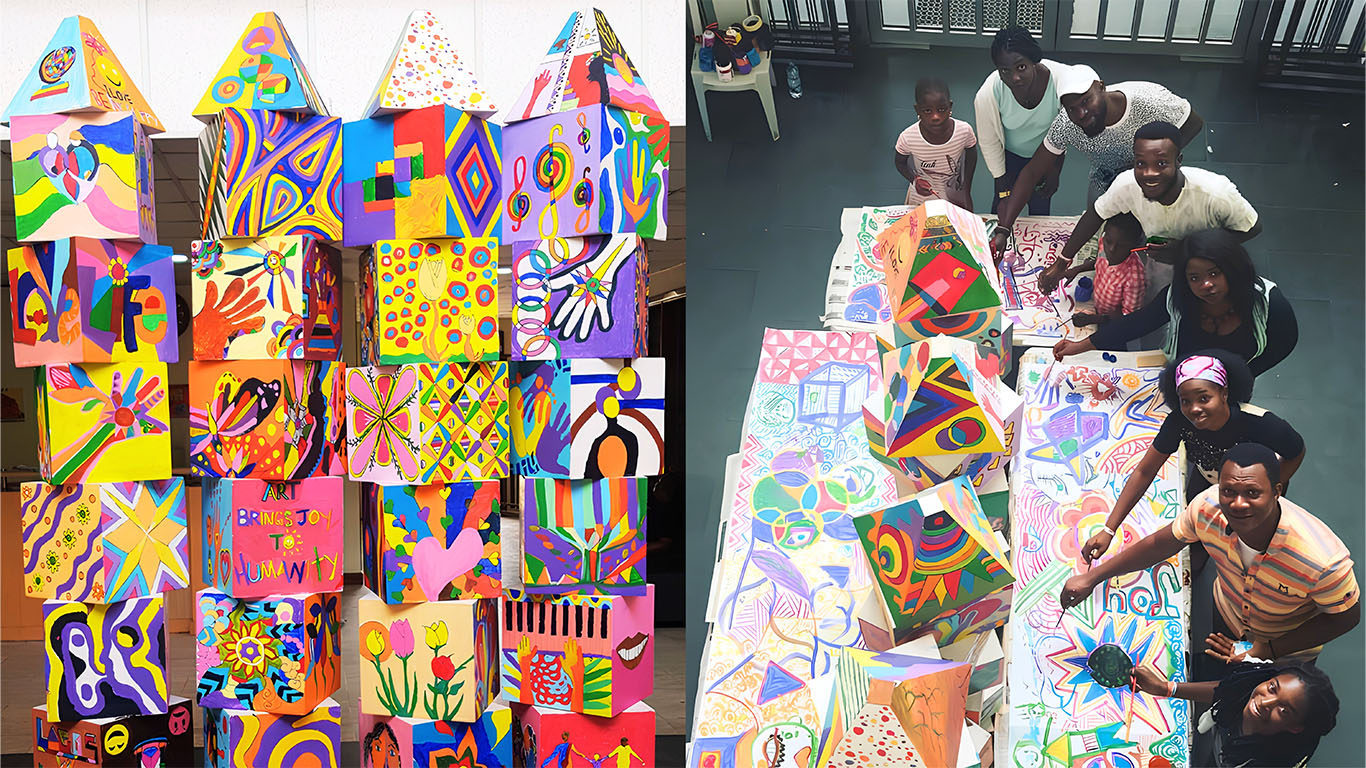
The Entrepreneurship & Leadership Track equips Fellows with the strategic, managerial, and creative skills needed to build sustainable arts‑in‑health programmes and social impact initiatives. Through focused meet‑ups, group sessions, and engagements with global industry leaders, Fellows explore the opportunities and challenges faced by practitioners working at the intersection of arts, health, and community development. The track covers business ideation, project development, marketing, grant writing, budgeting, ethical leadership, and public‑private collaboration. Fellows also learn practical tools for team building, governance, and navigating the complexities of arts‑in‑health administration. Peer‑to‑peer mentorship with experienced entrepreneurs, curators, directors, and managers strengthens professional growth and confidence. By the end of the track, Fellows are empowered to design innovative, sustainable programmes that drive social change, strengthen creative health ecosystems, and position them as leaders in the global arts‑in‑health landscape.
4. Policy & Governance Track
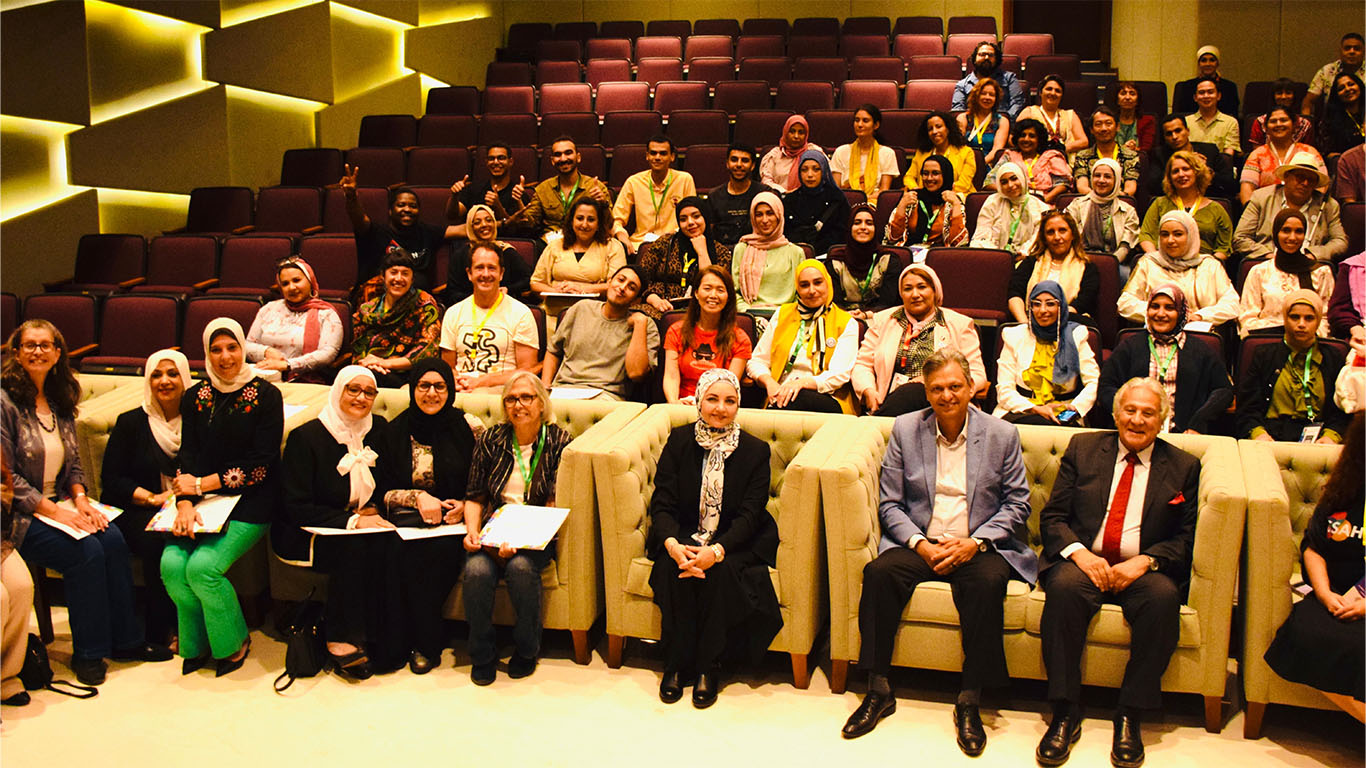
The Policy & Governance Track of the Global Arts in Medicine Fellowship prepares Fellows to become influential advocates, advisors, and leaders shaping the future of arts, culture, health, and wellbeing policy. Building on the Fellowship’s commitment to evidence-informed practice, community engagement, leadership, and social impact, this track explores how policies, governance frameworks, and strategic partnerships can strengthen creative health systems locally, nationally, and globally. Drawing on real-world case studies, Fellows examine the role of arts in public health, healthcare delivery, urban development, social inclusion, and sustainable development. Participants develop skills in policy analysis, advocacy, stakeholder engagement, ethical leadership, governance structures, and cross-sector collaboration. Through mentorship from global experts, peer learning, and interactive discussions, Fellows gain practical insights into influencing decision-making and advancing equitable access to arts-in-health initiatives. By the end of the track, Fellows are equipped to contribute to policy development, strengthen institutional and community governance, and champion innovative solutions that position arts and culture as essential drivers of healthier, more resilient societies.