

*The relationship between sleep and mental health, a holistic perspective*.
We will touch on ,
- How these two aspects of our lifestyle and health are inversely related, The consequences of sleep deprivation on the mind, and
- How to improve our quality of sleep
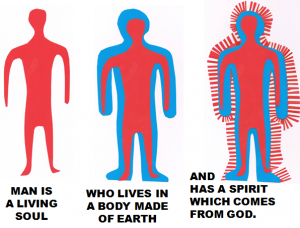
Our starting premise is that; You are a spirit, with a soul living in a body.
Your physical body’s primary function is to get you from point A-B, so you can achieve your purpose and goals.
The soul houses the mind, emotions,will, it is the seat of logic and reason.
While your spirit is eternal, it is anchored on values like love, trust, respect, etc, it is the seat of ideas and ideals.
Each dimension works with the other as a unit and what affects one dimension, affects the others.
The brain’s fuel is Sleep. Just as your car needs fuel is how your brain needs good quality sleep. When we have a full tank of fuel, we get where we need to be comfortably. But as time and use continue, the tank has to be refueled. Without the fuel it needs, the car is useless.
Without proper sleep, our minds begin to slow down, unable to operate at its full potential. This continues until the mind becomes so deprived of the rest that it needs, that it can break down into a mental disorder. And without the Chief Operating officer in place, the rest of the body pays the price.
*Fun fact: did you know we spend about one-third of our lives sleeping that’s like 25 years of our lives.
What happens when we sleep?
The physical body repairs and heals while asleep, The cells are repaired, energy reserves are restored, and hormones and proteins are released. Nerve cells within the brain and spine communicate and reorganize.
The soul declutters: Fun fact did you know that the senses gather 11 million bits per second from the environment?* And the mind processes about 34 Gigabytes of information per day on average?
That is a lot of information temporarily stored in our subconscious. While we sleep, our minds filter through the information it received during the course of the day. It gets rid of information it deems useless and stores information it deems usefull away.
The spirit connects with the divine and downloads ideas: Our spirit becomes more active in the spirit world when we are asleep, some religions say our spirit travels and we are able to connect more closely with the eternal and spirit world when we are asleep. Dreams are said to be our activities in the spirit world. Our spirits also download ideas
How does sleep impact Mental Health?* the physical science of it
Sleep is the mind’s time to rest and recharge. Sleep is the time our mind has allocated for mental processing, remember that in your waking hours you are bombarded with a lot of information.
When we get proper sleep, our mind uses that time to filter activities, events, people we met during the day, information we came across and files them away etc. research shows that sleep affects many aspects of brain function, including: learning, problem solving skills, creativity, decision-making, focus, concentration.
Our short term and long term memories are also affected by the quality of our sleep. Meaning that, we are less forgetful after a good night’s sleep.
The Processing of our emotions also takes place during sleep.
Have you ever noticed that when you miss out on sleep you tend to be more sensitive, easily irritated, or impulsive?
There’s a biological reason for that, and it has to do with two areas of the brain called the amygdala and prefrontal cortexduring sleep, brain activity increases in these two areas.
The amygdala is in charge of our emotional responses. But to do its job correctly it needs us to sleep, because that’s the time it’s allocated to process emotions.
When we miss out on sleep, the amygdala goes into overdrive, causing our immediate emotional reactions to intensify.
A study using MRI brain scans showed that the amygdala was around 60% more emotionally reactive in participants who were sleep deprived compared to those who were well rested.
This is why we are prone to emotional outbursts after a night of poor sleep. Negative emotions in particular intensify with lack of sleep.
So, when you get enough sleep, the amygdala can respond in a more adaptive way. But if you’re sleep deprived, the amygdala is more likely to overreact.
Another area involved in emotional regulation is the prefrontal cortex
The prefrontal cortex does a lot of impressive things. One of which is being the voice of reason to our emotions (aka putting the brakes on our amygdala when it’s being EXTRA). The prefrontal cortex helps control our impulses.
However, like the amygdala, the prefrontal cortex can’t do its job properly when we don’t sleep well. Much of this has to do with a disruption in communication between the amygdala and prefrontal cortex, who work closely with one another. This makes us more impulsive and less likely to think through our emotional reactions, which is a dangerous place to be.
The disruption in the flow of the amygdala in combination with the prefrontal cortex is what makes us more vulnerable to mood swings, erratic behavior, and increased emotional reactivity when we lose sleep.
Hormone disruption caused by lack of sleep is mainly due to how sleep affects the endocrine system, particularly the hypothalamus which is attached to the pituitary gland. The endocrine system consists of several glands that produce hormones. The regulator of the endocrine system is the hypothalamus.
The primary responsibility of the hypothalamus is to maintain balance in the body, including hormonal balance. It tells the glands of the endocrine system when to produce certain hormones and when to regulate others.
Another way of looking at this is that the hypothalamus tells the hormones what messages to communicate around the body and when. Much of this critical instruction from the hypothalamus is given during sleep.
Many hormone levels are influenced by sleep, cortisol is one of the big ones impacted. Cortisol is the hormone that impacts our stress levels and our stress levels have a big impact on our mental health. With elevated stress levels naturally, comes elevated anxiety levels which can make you hypersensitive to all sorts of physical, mental, and emotional triggers.
For anyone diagnosed with a chronic disease, mental health disorder or sleep disorder, the additional stress brought on by the diagnosis can increase the severity of the diagnosis.
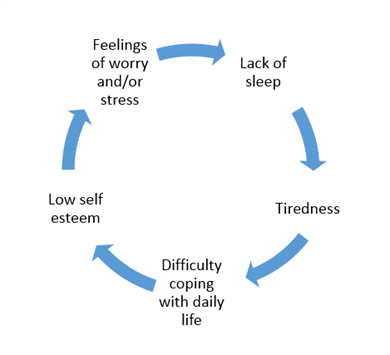
Notice the cycle? The relationship between our body and mind is very deep and complex.
How Mental Health Impacts Sleep*
So going by the above, there is no denying it, sleep and mental health have a back and forth relationship. Lack of sleep impacts mental health, and mental health impacts sleep.
When our mental and emotional health are under pressure, our sleep is right there with it.
We have all felt worry, anxiety, fear, heart break, disappointment, all these emotions affect the quality of our sleep. The longer we stay in the loop, the more the cycle continues, the more we deteriorate mentally and physically. Stress is good. The problem is when we stay stressed.
Poor sleep leads to worrying. Worrying leads to poor sleep. Again, Vicious cycle.
Consequences of Sleep Deprivation?
The mechanisms of lack of sleep and mental health are complicated to understand. But what scientists do know is that sleep and mental health are intimately related.
Fun fact: Did you know that sleep deprivation is used as a torture technique on prisoners of war?*
Think about it like this: sleep for the mind is like the quiet hours at the office. When there are no distractions, you get more work done. Same goes for the brain. When we are asleep, the brain can really get to work because it doesn’t have to respond to all the external stimuli we encounter when we are awake. But if we rob the brain of this precious time, we will pay the price.
Without enough sleep, your body has a hard time functioning properly. Some functions that are impacted by lack of sleep are.
- Emotional stability
- Mood swings
- Anxiety
- Depression
- Long term and short memory
- Focus and concentration
- Motor function
- Fatigue
- Weakened immune system
- Weight gain
- Increased risk of high blood pressure
- Insulin resistance
- Chronic diseases (like diabetes and heart disease)
- Increased toxicity in the body
How do you think your spirit is affected by lack of sleep? Remember that the soul is the processing unit of the body,and the spirit downloads. If the mind is unable to declutter and process information correctly because of lack of sleep what do you think will happen to the downloads the spirit gets? The soul will be unable to process or execute it accurately. This reminds me of my favorite quote in the bible Luke 11v 35 that says Your eye is the lamp of your body. When your eyes are healthy, your whole body also is full of light. But when they are unhealthy, your body also is full of darkness.
If you are unable to sleep, either you struggle to fall asleep or wake up frequently or don’t feel refreshed when you wake up, something in your lifestyle is out of balance and you have to look into it and take action.
In Nigeria, an estimated 20%–30% of our population are believed to suffer from mental disorders from depression, to anxiety to psychosis.This is a very significant number considering Nigeria has an estimated population of over 200 million. Looking at our environment we can also conclude that our general quality of sleep is generally poor from environmental insecurities to pollution to stress etc . It begs the question, is our lack of quality sleep the cause of the high % of mental disorders? Is the lack of structure in our environment detrimental to our health? Physical and mental?
Our mental health is just as important as our physical and spiritual health, we need all three dimensions functioning properly all the time especially if you are in the prime of your life with a lot more to achieve in life.
Little but firm changes to our lifestyle, our daily habits can make a big difference and help our bodies achieve homeostasis (the balance it seeks).
So, how do we improve the quality of our sleep?
We are advised to sleep for 6-8 hours per day though some research say if we sleep deeply between the hours of 11pm-2am when the moon is at its highest ( dead of night) that we can get away with 4hours of sleep either way, we can all benefit from improving the quality of our sleep. For many of us, it may simply be a case of making small lifestyle or attitude adjustments in order to help us sleep better.
The first stop to resetting our sleep is to reset our circadian rhythm. The circadian rhythm are the physical, mental, and behavioral functions and changes that follow a daily cycle. This rhythm is triggered primarily by the light and darkness in our environment and basically helps determine many functions in our body like, our sleep and eating patterns. It does this based on the amount of light it is picking up from the environment, it tells the body to release melatonin at night to induce sleep or it signals the body to wake up by releasing gradual amounts of cortisol to wake us when the sun starts rising in the morning.
This body clock also manages what the body does within that time frame eg, hormone release, eating habits and digestion, body temperature, and other important bodily functions.Almost like secondary school with the timetable and order it enforces. I hope you can see how the disruption of this rhythm will affect how our body responds
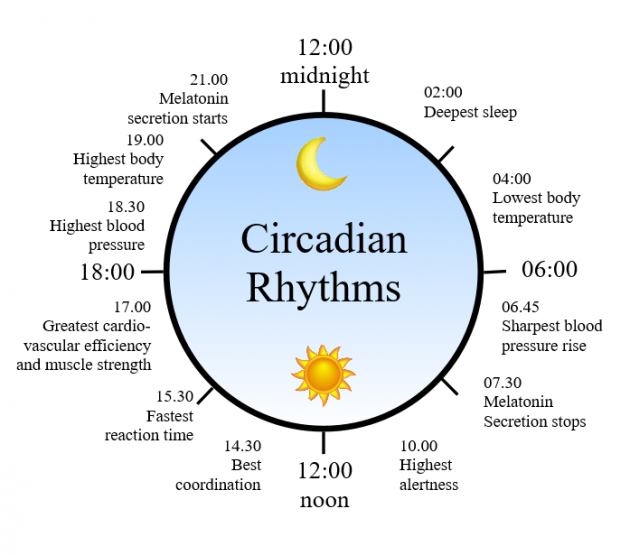
Research is showing that exposure to artificial bright lights from the environment, mobile devices and computers, during the night does alter our circadian rhythms and sleep-wake cycles. The lights confuse our body clock and the release of melatonin thus preventing us from falling asleep even though the body is tired.
So to reset your body clock and start sleeping better, you need to form night time routines that tell your body it is time to start shutting down. Some things to try include;
- Use dim/ soft lights at night.
- If you are able to play music, play soft music preferably without lyrics. You can try the app Calm Sleep, it has a collection of music and sounds to support your sleep.
- Reduce your time on social media and technology, as shared above, the lights from our gadgets affects the signals our bodies are receiving
- Go to bed around the same time every night and get out of bed the same time in the morning. Yes, this means weekends too – not just weekdays. Even if you don’t fall asleep, lie in bed and meditate.
Other things to do to improve our quality of sleep
- Take naps during the day. Napping is often seen as a form of laziness. Nothing could be further from the truth. Hundreds of experiments have demonstrated the enormous benefits associated with even the shortest of sleeps from decreased blood pressure and heart rates, to better consecration levels and the ability to handle anxiety better.So if you’re feeling like you need a nap, you probably do. So take it, Your body will thank you.
- Eating a balanced diet: our bodies need a variety of nutrients both micro and macro to help it produce hormone. We have talked about the importance of hormones to our mental health, if hormones are produced from what we consume ( eat and drink ) it follows that the production of quality hormones will be affected by the quality of what we consume.
- Drinking warm drinks are great at night as they help the body relax and start to release tension. Try herbal teas especially those that help you relax are great like lavender and Chamomile or hot chocolate
- Use of essential oils and diffusers are also a great way to create a relaxing environment around you to help the body relax enough to sleep. Some relaxation oils include Lavender Oil. Chamomile Oil. (Chamomile actually helps with anxiety and depression) Sweet Marjoram Oil, Bergamot Oil, Clary Sage Oil, Valerian Oil, Sandalwood Oil, Ylang Ylang Oil.
- Get some exercise: Many studies have found a link between exercise and the reduction of insomnia. Aerobic exercise is especially effective at helping people sleep. Aerobic workouts are the kind that stimulate and strengthen the heart and lungs if you have to work out at night, make sure its not too close to your sleep time so your body has time to cool down. if your exercise time is close to your sleep time, do something gentle and restorative like stretches
The link between sleep health and mental health is stronger and more complicated than ever. One thing is for sure, we need good quality sleep and must do all that we can to improve the quality of sleep we are getting
References-
- https://www.tes.com/lessons/VvVs7TqsupBU2A/structrual-and-behavior-adaptions
- 10 Shocking & Crazy Sleep Facts You Never Knew – Restonic. Restonic.com
- The importance of circadian rhythms explained | Endel Endel.io
- Why Do We Sleep? What Happens During Sleep?
- www.healthline.com
- https://www.pcpcc.org/resource/sleep-and-mental-health-why-our-brains-need-sleep
- Luke 11 NIV –www.biblegateway.com
- Mental health disorders in Nigeria: A highly neglected disease Suleiman DE – Ann Nigerian Med www.anmjournal.com
Oyin Talabi is a Wellness coach, founder of Bodyworks Nigeria , convener of Eko Welness Network and co-founder of Truliving Africa. She teaches Pilates and is intrigued by the soul, body and spirit connection in relation to our wellbeing especially our immunity. Follow her instagram handles on @bodyworksnigeria, @trulivingafrica and @ekowellnessnetwork